

Objects fade. Memories endure. Today's consumers, especially those with wealth and aspirations, are shifting their desire from accumulating things to seeking experiences. What we once considered luxury, in the form of possessions, has been replaced by something intangible yet infinitely more powerful: moments worth remembering.
Luxury hotels no longer promote the thread count of their sheets. Fashion houses aren't just selling clothes; they are creating theatrical runways that feel like important milestones. High-end retail isn’t about shelves full of products but about curated lounges, exclusive previews, and the sense of belonging to an inner circle. The future of value is no longer in something to be bought or owned; it is something to live, feel, and remember.
For decades, brands relied on the prestige of ownership. Owning the rare bag, the couture dress, or the suite at an iconic hotel was the ultimate symbol of luxury. However, simply owning things no longer satisfies a generation that values experiences over possessions.
Millennials and Gen Z are driving this change. They are less interested in what they own and more about their life experiences. Posting about a weekend in Santorini, attending a fashion week afterparty, or enjoying a meal at a one-night-only chef’s table holds more value than showing off another logo. Today, luxury is about creating memories, not accumulating items.
A good example is Airbnb’s “Experiences” platform, which grew beyond accommodation. It offers opportunities like cooking with locals in Rome, taking photography tours in Tokyo, or going on wildlife safaris in Kenya. The focus is not on the stay itself but on the story it creates.
This cultural shift has given rise to what we at Captivating Experiences call the “Memory Economy.” In this new landscape, experiences themselves are the currency. A memorable moment, captured, shared, and felt, holds lasting value that objects cannot match.
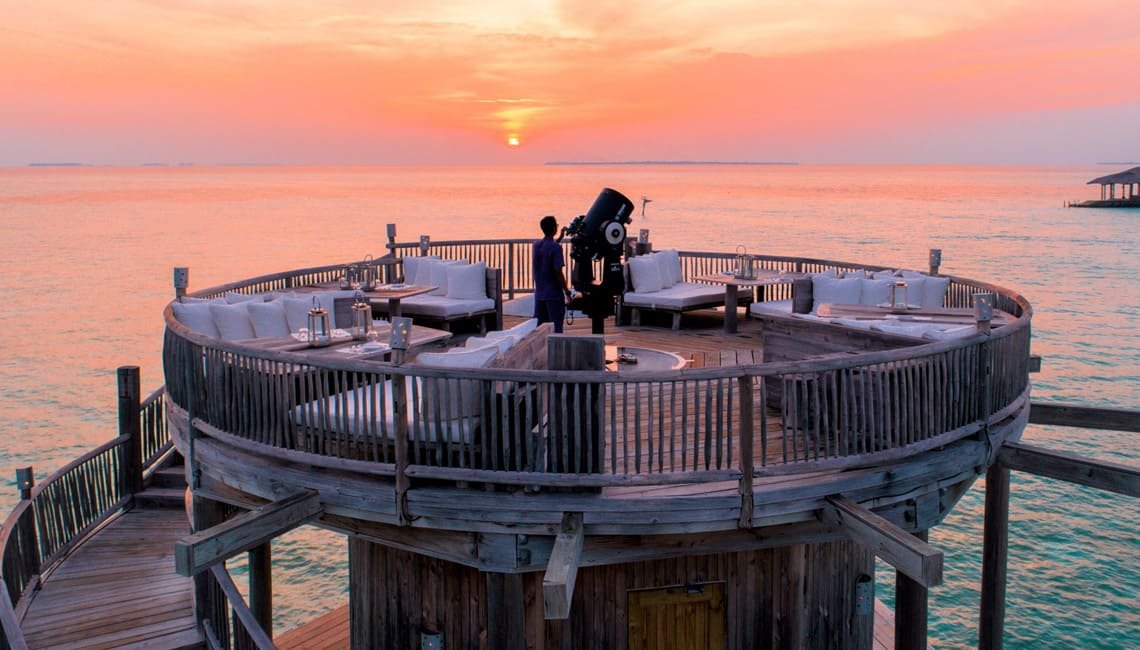
Consider how travel has evolved. Soneva resorts in the Maldives don’t just sell villas; they curate stargazing dinners with resident astronomers and private movie screenings on the beach. The villa may fade from memory, but the once-in-a-lifetime experience lasts forever.
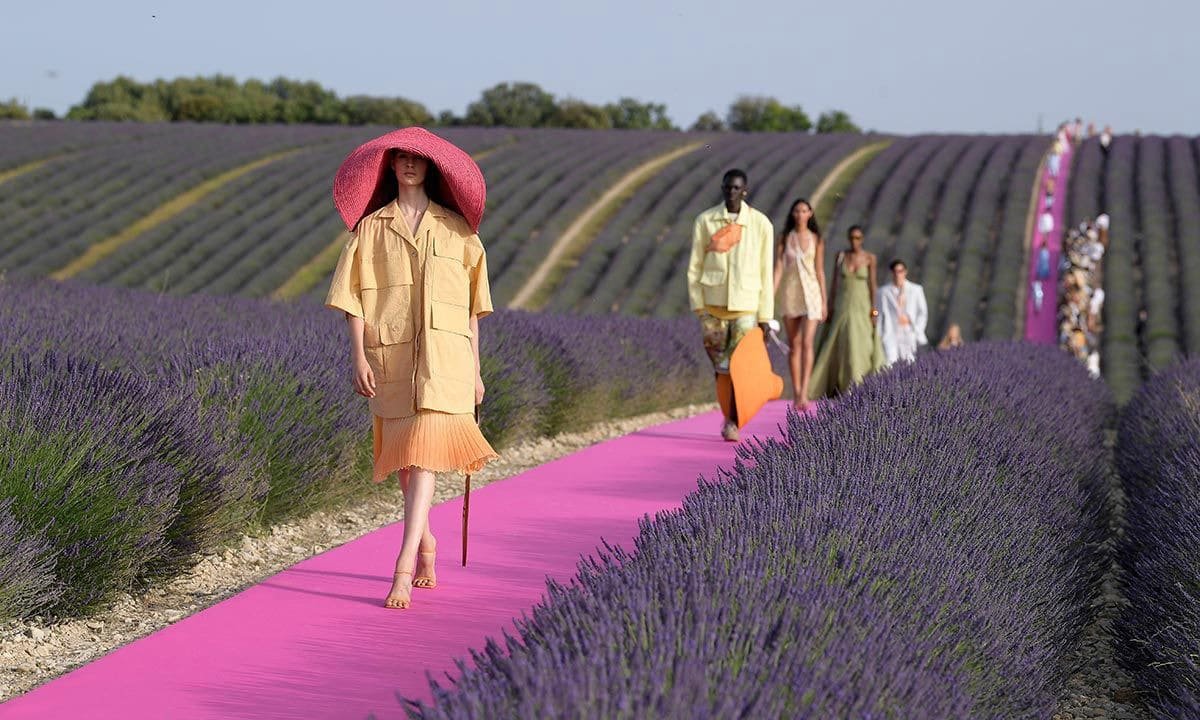
In fashion, the clothing is often secondary to the spectacle. Jacquemus’ runway shows, from lavender fields in Provence to floating platforms in Versailles, are always remembered. Guests may forget the exact collection, but they never forget the setting, the atmosphere, or the feeling of being there.
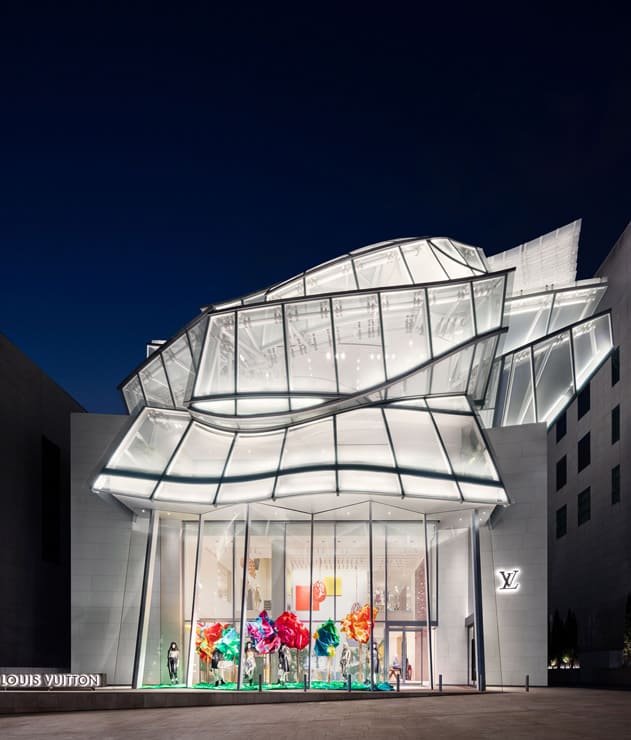
Luxury retail is undergoing a similar shift. Louis Vuitton’s flagship in Seoul, designed by Frank Gehry, functions as part art museum, part concept space. Customers don’t just shop; they enter a story that combines design, culture, and exclusivity.
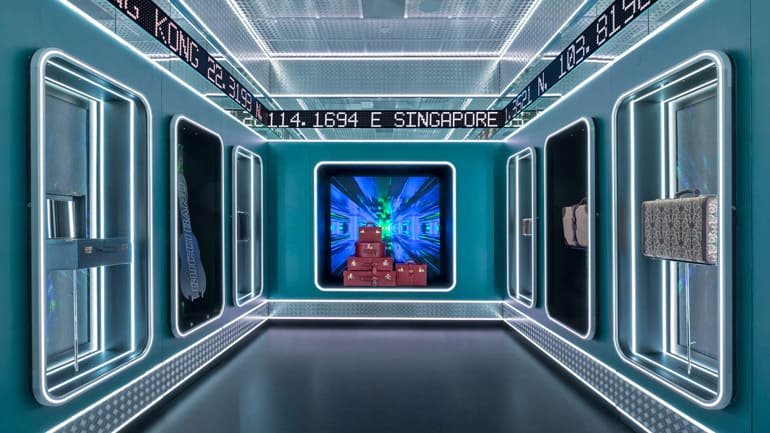
In the ‘Icons’ room, more than 400 different versions of three iconic Gucci handbags are arranged on mirrored shelves, revealing the 360-degree virtuosity of its designs
We are entering an era where artificial intelligence is reshaping every aspect of marketing, communication, and commerce. AI can write, design, recommend, and even personalise. It can predict what we want to buy and when. But what it cannot replicate—what it cannot replace—is the visceral, sensory impact of real-life immersion.
We are entering an era when AI is changing marketing, communication, and commerce. AI can write, design, recommend, and even personalise. It can even predict what we want to buy and when. But what it cannot replicate or what it cannot replace is the sensory impact of real-life immersion.
This is where the shift toward experiences becomes the differentiator. In a digital-first, AI-saturated world, the real value lies in physical, human, and emotionally engaging experiences.
As everything else becomes smarter, faster, and more automated, the demand and need for what feels human, tangible, and memorable will only grow stronger and stronger.