


When Ferran Adrià closed the doors of El Bulli, the world didn’t just lose a restaurant; it lost the epicentre of culinary innovation. For Adrià, cooking was never about copying tradition. It was about breaking down old ideas to explore new possibilities. Foams, deconstructions, edible air—his dishes blurred the line between food and performance art. Each plate invited people to question, feel, and experience.
This philosophy is very relevant for brands today. In an era when industries change faster than consumer habits can keep up, the brands that survive are not the ones that play it safe within their category rules. Instead, they are the ones willing to challenge those rules. Adrià’s greatest legacy is not just the taste of his food, but the way he showed the world how to embrace change and reinvent.
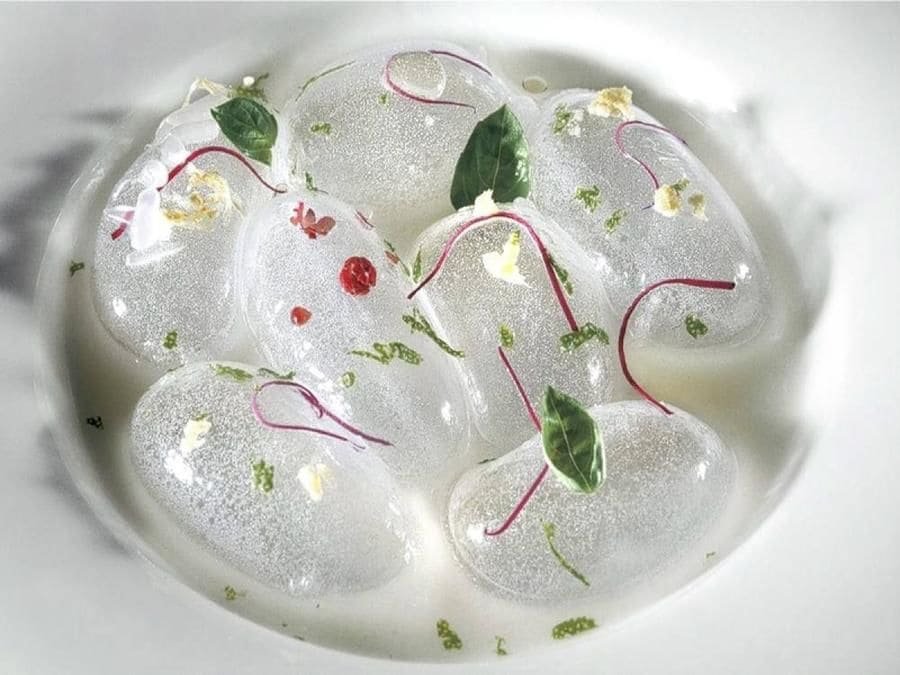
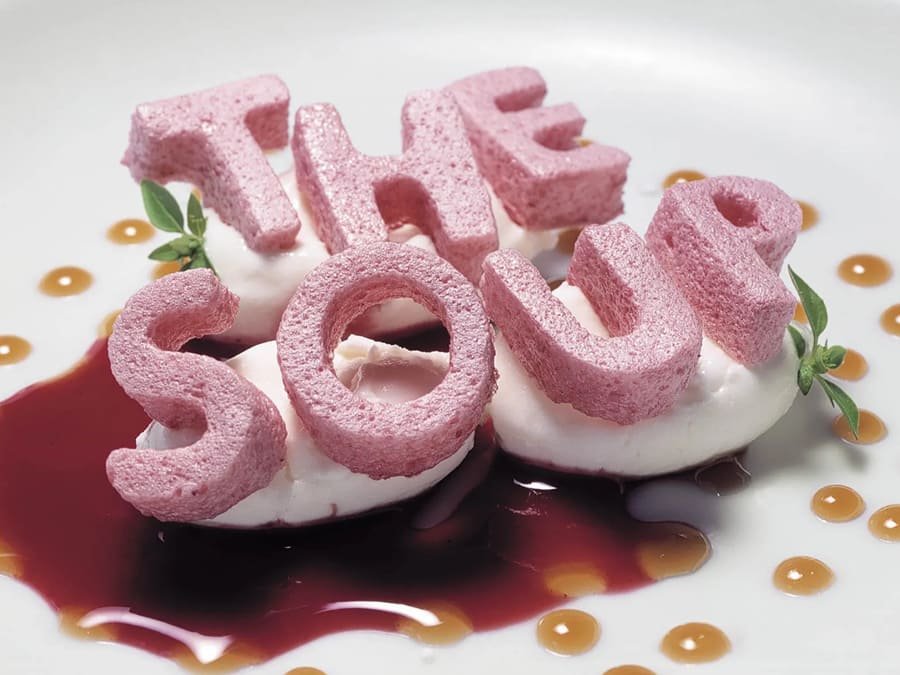
Consider how Adrià approached cuisine. He broke down centuries-old culinary frameworks and rebuilt them in a new, modern context. Similarly, brands must be bold enough to break down their own categories. Luxury fashion is shifting from runway exclusivity to digital accessibility. Automobiles are moving from mobility to ecosystems of connected experiences. Even finance, which was once rigid and transactional, is now being humanised through storytelling in fintechs.
The real risk today is not in trying something new. It is in holding on to comfort. Brands that do not evolve become lost in the noise of faster and bolder players. Adrià showed that disruption is not a gamble; it is the only way to move forward.
El Bulli was never just about food. Dining there was a display of emotion and excitement. Guests would wait months, sometimes years, for a table. They arrived up without knowing what they would eat, only that they would be surprised. Each course was revealed like a scene in a play, evoking curiosity, laughter, and even disbelief.
Modern brands need to embrace this sense of drama. A product launch should feel like a reveal, not just a sale. A campaign should encourage conversation, not just impressions. Apple understands this well, turning keynote presentations into significant moments. So do brands like Nike and Dior, building anticipation and intrigue into every drop.
In today’s hyper-choice economy, emotion sets brands apart. Just as diners remember how Adrià made them feel, consumers recall how a brand experience makes them feel, long after the product fades.
Adrià never stopped experimenting with ingredients, textures, and forms. Brands now have their own set of avant-garde tools: AR, AI, immersive installations, and digital activations. These aren’t mere gimmicks; they are the new ways for storytelling. Gucci offers AR try-ons. Burberry creates interactive campaigns inspired by gaming. Hospitality brands use AI concierges to personalise experiences in real time.
The lesson is clear: innovation is essential. Just as Adrià blurred the boundary between dining and art, brands must also blur the line between commerce and culture.
El Bulli’s legacy is not about nostalgia; it’s a blueprint. Adrià proved that the key to remain relevant is to constantly question what relevance actually means. For brands facing changing dynamics, the way forward is not to follow the existing recipe, but to create a new one filled with curiosity, anticipation, and the courage to perform on the stage of culture.