

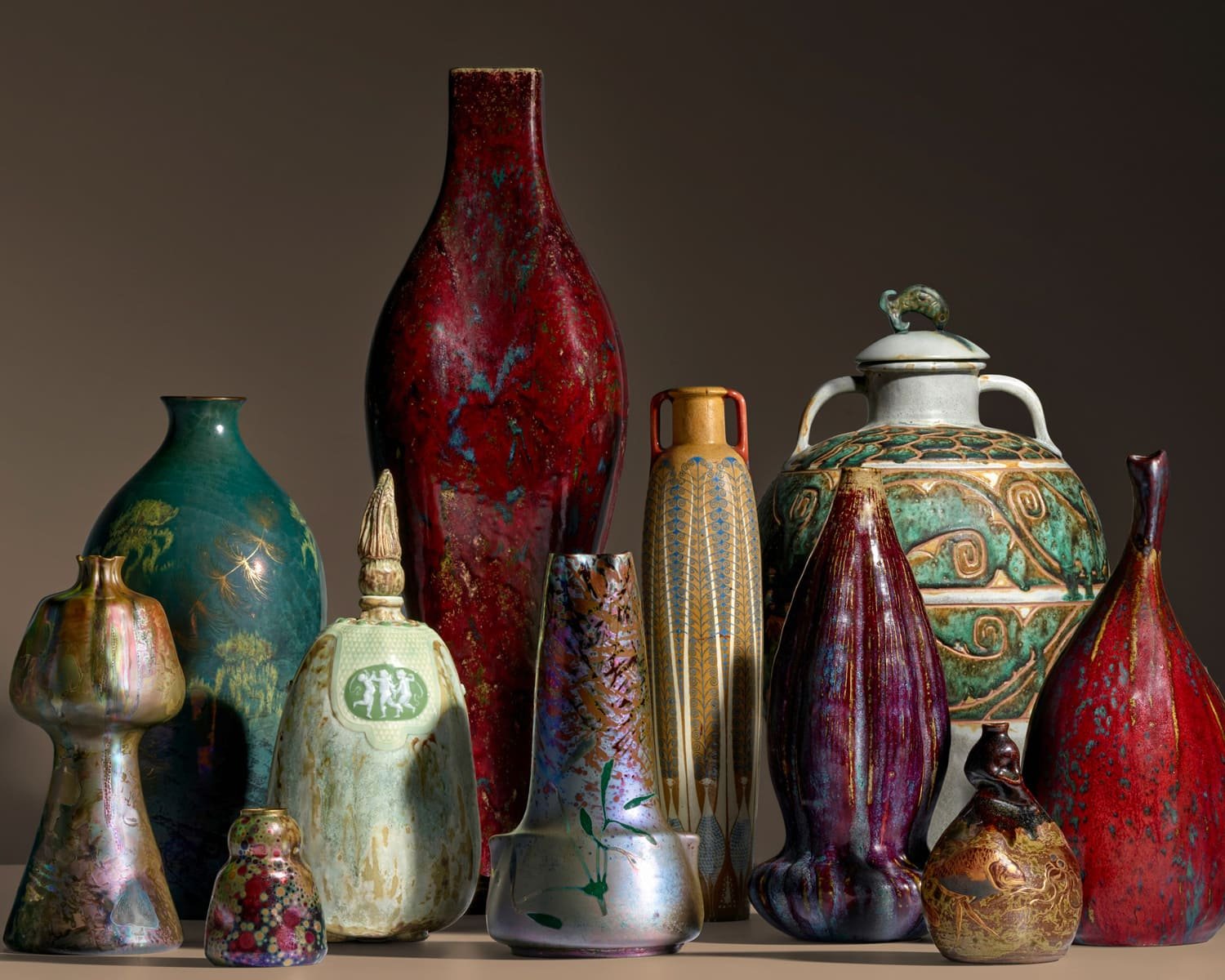
Price tags and material belongings no longer define luxury. These days, stories, experiences, and cultural immersion are the real indicators of aspiration. For brands, this means changing the narrative to emphasize that the cultural context, feelings, and communities that products evoke are more important than the products themselves. Culture, when curated thoughtfully, becomes brand currency.
Luxury handbags and fine watches are valuable not only for their craftsmanship but also for the cultural stories they are associated with, such as European heritage ateliers, artist collaborations, or memorable moments when the item was featured in history, art, or film. The object's significance is found in the layers of culture and story it conveys.
Brands that understand this reality create cultural moments rather than just advertising features. The product becomes inextricably linked to the cultural narrative when Louis Vuitton and Yayoi Kusama collaborate or when Gucci performs in historic Roman locations. Customers now purchase access to an immersive cultural narrative rather than just clothing.
At the heart of cultural branding lies emotion. Travel, food, art, and heritage are all very personal, frequently nostalgic, and occasionally aspirational; they are not interchangeable. Brands that appeal to cultural emotion arouse desire that is far more powerful than function or utility.
A food brand that adheres to local culinary customs has a direct connection to taste memory comfort. Travellers can experience living heritage when a tourism board curates stories about local festivals or handicrafts. A wellness company that partners with traditional methods, such as Ayurveda or Japanese forest bathing, establishes its authenticity while transforming the activity into something aspirational.
In each case, culture is not an add-on; it is the central narrative, one that transforms consumer interaction into cultural participation.
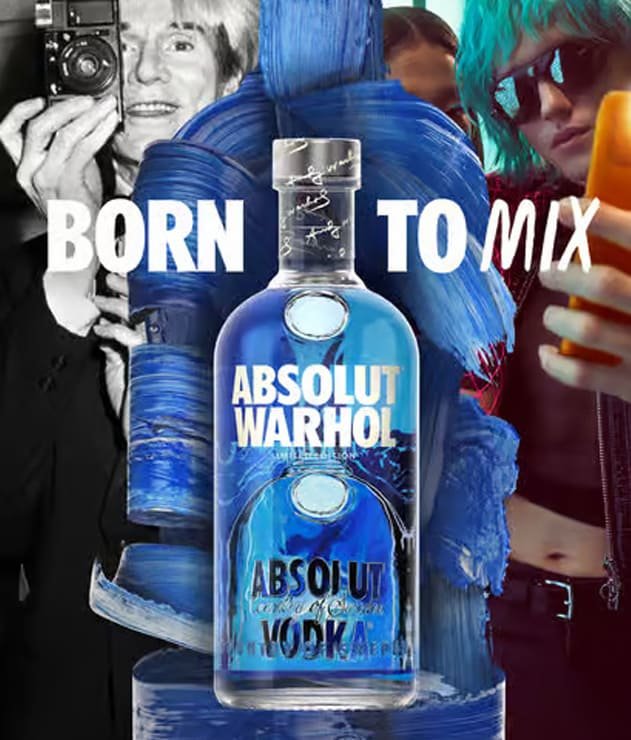
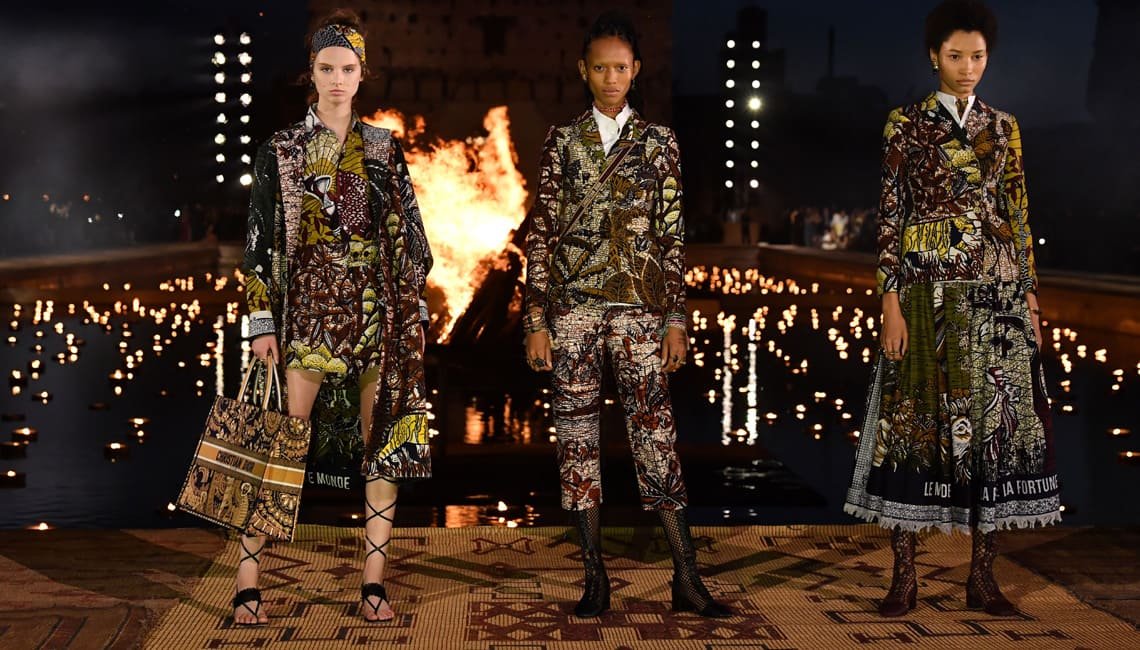
Curated cultural campaigns work because they move beyond marketing to become experiences. Think of Dior’s resort shows staged in Marrakech or Athens, where the location itself is as important as the clothes. Or consider how Absolut Vodka has long partnered with modern artists, commissioning pieces that elevate a drink to the status of a cultural icon.
Because they encourage interaction across a variety of touchpoints, including live experiences, digital storytelling, visual identity, and social media virality, these campaigns are immersive. They inspire consumers to not only purchase, but also to participate, share, attend, and remember.

Products can be replicated in a saturated market, but culture cannot. A brand's emotional ties, cultural alliances, and carefully chosen narratives cannot be replicated by a rival with the same genuineness. Culture is therefore a potent differentiator.
In contrast to generic luxury offerings, travel and hospitality brands that incorporate local artists, music, and cuisine into their guest experiences forge a far stronger bond. Similar to this, beauty brands that draw inspiration from rituals- from Korean skincare philosophies to Moroccan hammam traditions- speak to a sense of place and belonging, which increases their perceived value in the eyes of customers.
Today’s audiences crave meaning. They seek to immerse themselves in stories that elevate daily life and enhance identity.