

History shows us that couture has always been more than just clothing. It is theatre, spectacle, and, above all, defiance.
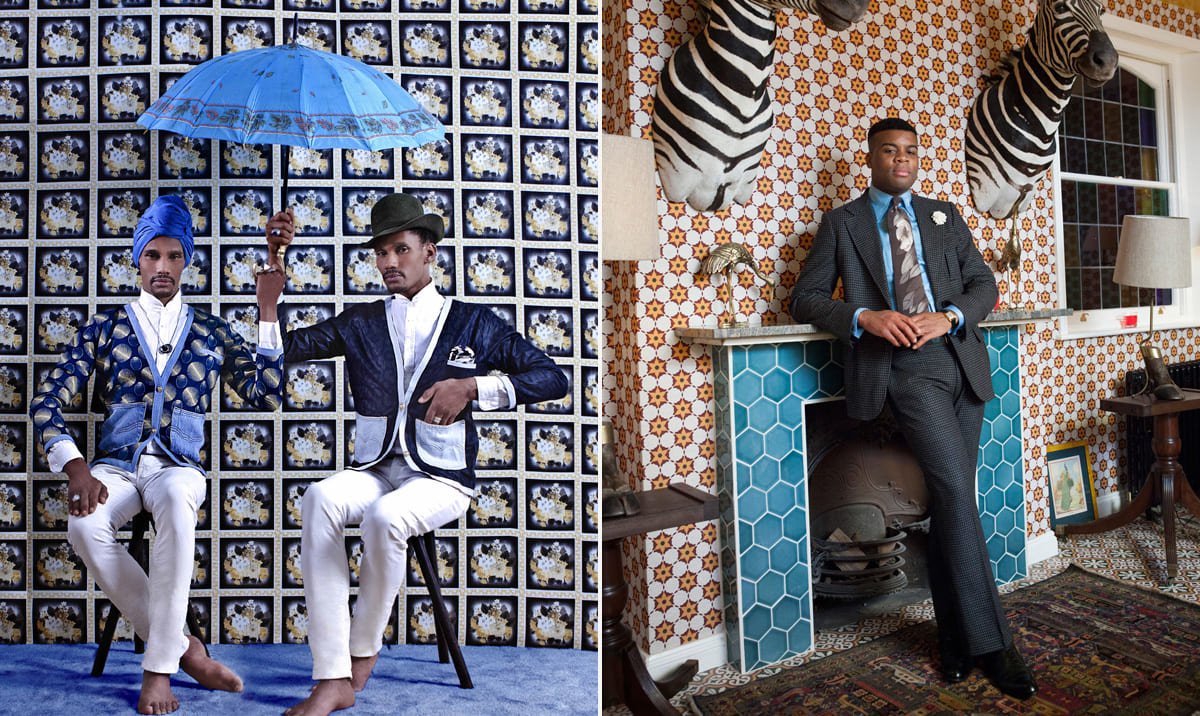
In the 18th century, when Marie Antoinette entered the Hall of Mirrors in Versailles wearing gowns so wide that they disrupted doorways, it was not simply fashion. It was a performance, a symbol of excess that shocked her critics during a time of political unrest. Her fashion choices of towering wigs and lavish gowns became powerful acts of defiance, sparking both admiration and rebellion.
Fast forward to the 20th century, Coco Chanel freed women from strict corsetry with her flowing suits. Vivienne Westwood turned punk into a fashion uprising that challenged the establishment. Couture has always been a language of rebellion. It does not just dress the body; it captures the spirit of an era. It challenges norms, provokes discussion, and expresses identity in ways that words often cannot. These were not just designers; they were cultural disruptors.
Today, in a world of fast fashion, couture’s very existence feels rebellious. Its handcrafted boldness, one-of-a-kind details, and intentional excess reject the disposable culture of “buy, wear, discard.” To wear couture is to say: I am not mass-produced.
No example captures fashion as defiance more vividly than Black Dandyism. This movement began in the 18th and 19th centuries, as Black men in Europe and America adopted refined tailoring. They wore three-piece suits, silk cravats, and vibrant accessories; not just for style, but as bold statements of self-determination. In societies that intend to erase their identities, clothing became a way to express visibility, dignity, and self-definition: I exist, I command respect, I own my image.
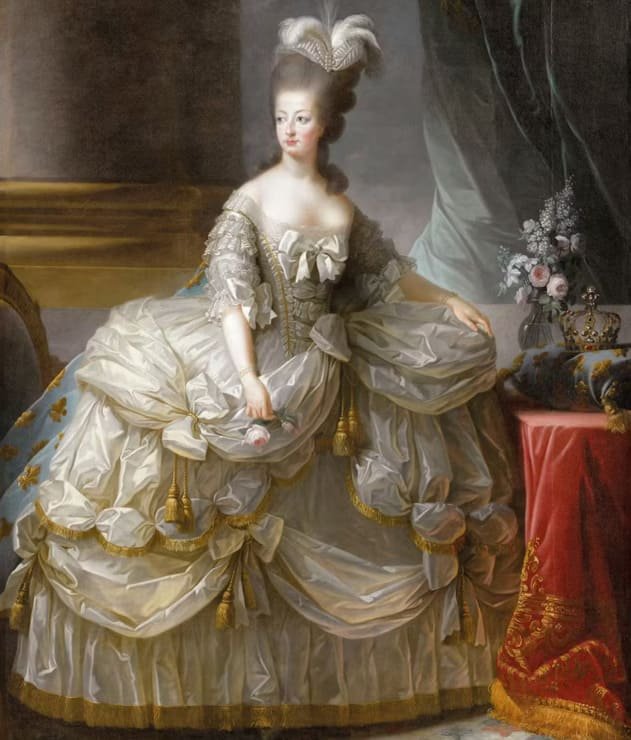
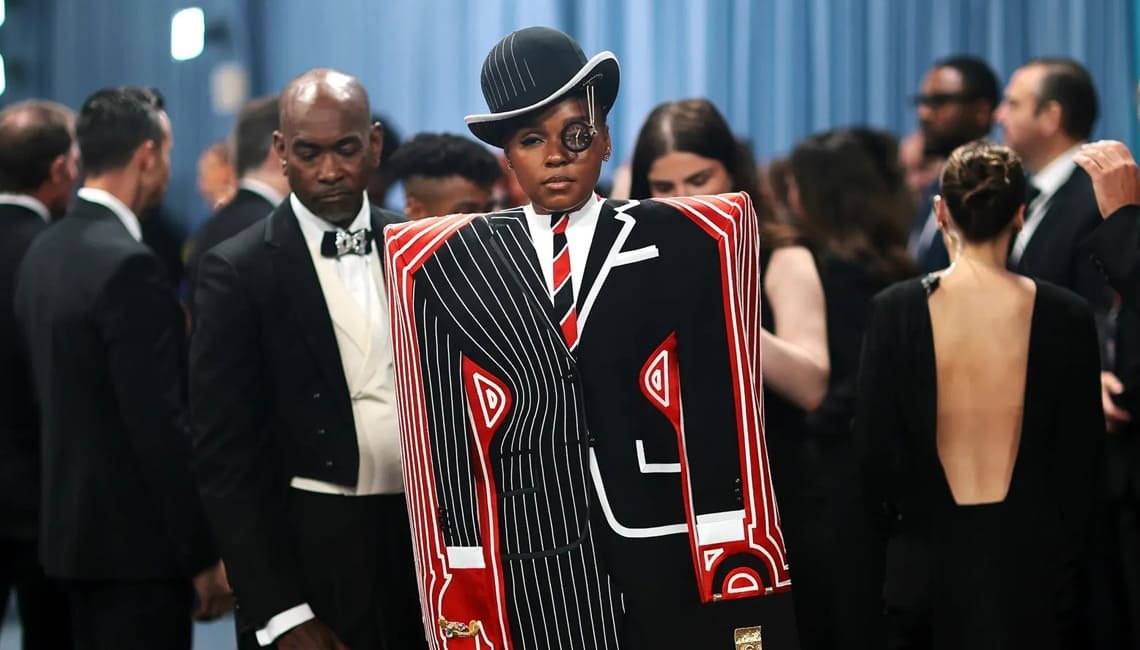
Today, Black Dandyism has returned as a global movement. Figures like photographer Shantrelle P. Lewis, through her celebrated project The Dandy Lion, highlight how every pocket square and polished shoe serves as a form of cultural critique, reclaiming space through style. Contemporary designers like Ozwald Boateng convey the same message: style is power. He redefined Savile Row tailoring with African colours and rhythms. Every burst of colour represents more than just elegance; it symbolises protest, pride, and cultural ambition. Black Dandyism proves that elegance can be a powerful form of the sharpest rebellion.
What makes couture radical today is how it reclaims heritage as a tool for rebellion. Maria Grazia Chiuri at Dior has sewn feminist manifestos into ballgowns. Pierpaolo Piccioli at Valentino has used his platform to highlight African textiles and work with local artisans, challenging Eurocentric ideas of couture. In India, Rahul Mishra elevates hand embroidery to couture-level storytelling. He shows that indigenous craft is not a relic but a statement for the future.
This is a different kind of rebellion. This is heritage that refuses to be seen as “traditional.” Instead, it flows freely, becoming a language of identity and pride in a globalised world that often values sameness. It rejects the notion that couture must only come from Parisian ateliers and gilded salons.
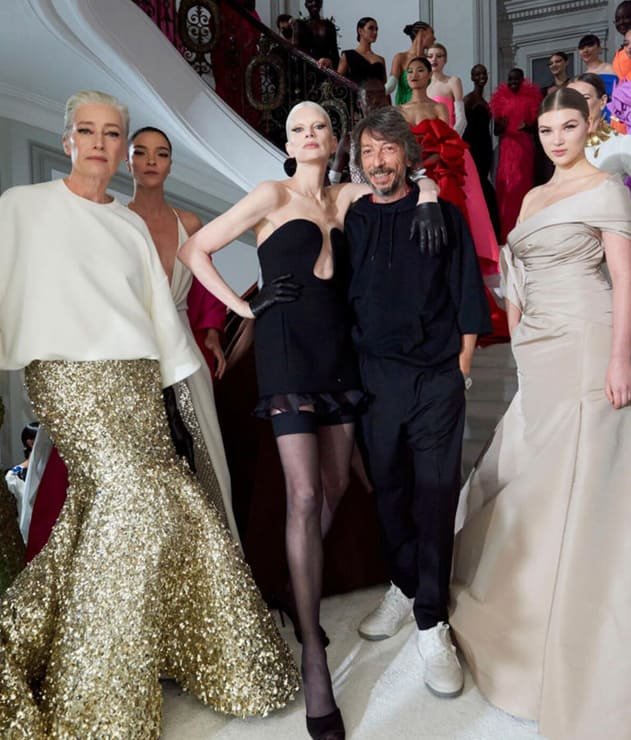
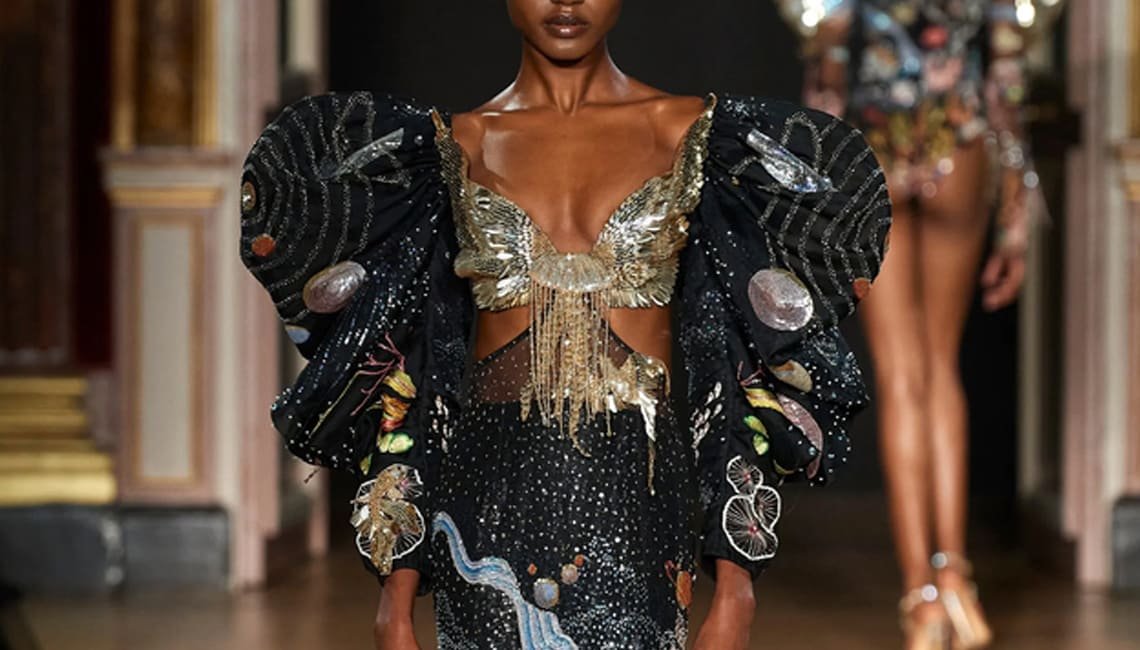
The philosophy of couture is changing. It used to be mainly about showcasing wealth, flaunting pearls, jewels, and exclusivity. Now, it focuses more on embracing defiance. Wearing couture today means rejecting the sameness of fast fashion, celebrating individuality, and boldly declaring one’s identity. A bespoke piece, carefully handcrafted, is not just a luxury item, but a statement about existence.
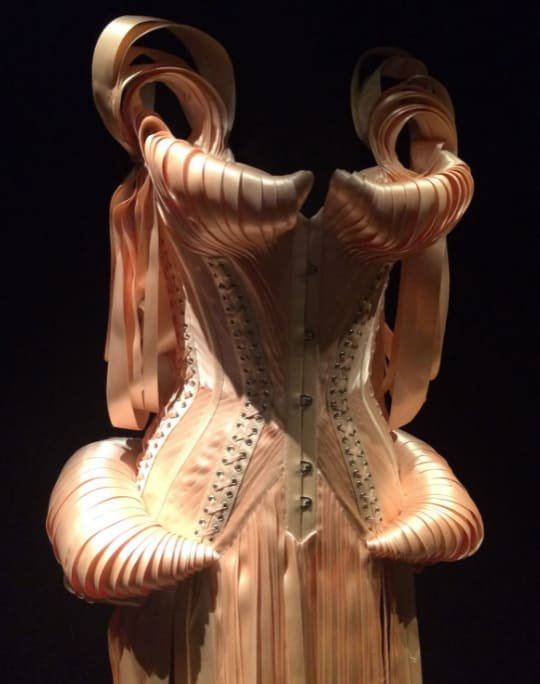
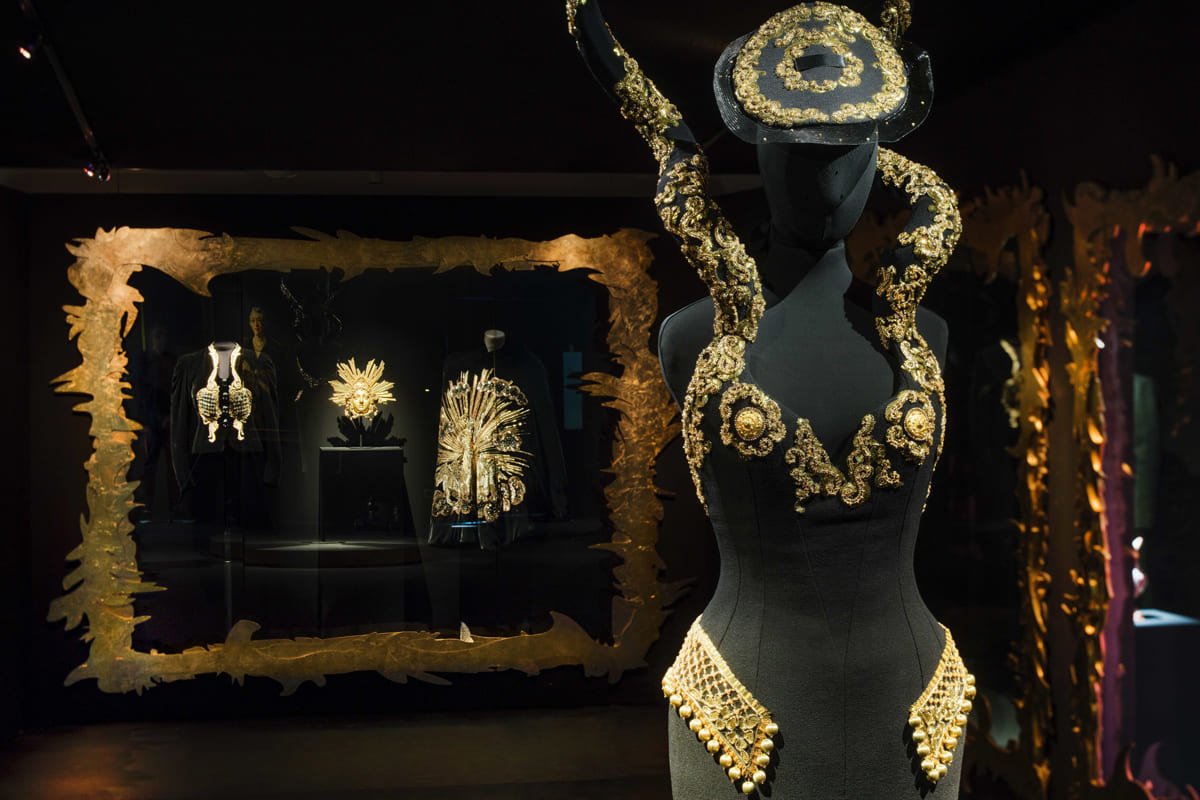
Let’s not forget Jean Paul Gaultier's corset, which reimagines power, an Iris van Herpen gown shaped with 3D printing showcasing futurism or Schiaparelli’s surrealist gowns adorned with gold anatomical motifs. Each one encourages us to see couture as more than just decorative excess; it serves as a cultural storytelling.
It proves that couture has evolved from mere ornamentation. It is concepts, performances, and provocations. These pieces spark conversations, challenge norms, and demand that fashion be recognised as art. Handcrafted luxury now represents a rebellion against disposability, individuality against mass production, and boldness against conformity.
As a brand consultant who believes that attention is the rarest currency, we see a direct parallel between couture’s rebellion and brand storytelling today.
Consumers no longer respond to dull, mass-market messages. They want stories that are bold, authentic, and willing to challenge the norm. Just like couture designers incorporate heritage, identity, and boldness into their clothes, brands should infuse meaning, purpose, and defiance into their messaging.
The audience no longer responds to empty slogans; they prefer strong storytelling, cultural authenticity, and clear differentiation.
To stand out today, a brand can't just showcase its products—it must challenge expectations, show courage to embrace individuality, celebrate cultural roots unapologetically, and craft experiences that resonate as profoundly as a couture gown walking down a Paris runway.
The lesson for brands is clear: in a crowded marketplace, you cannot just simply show; you must stand for something.
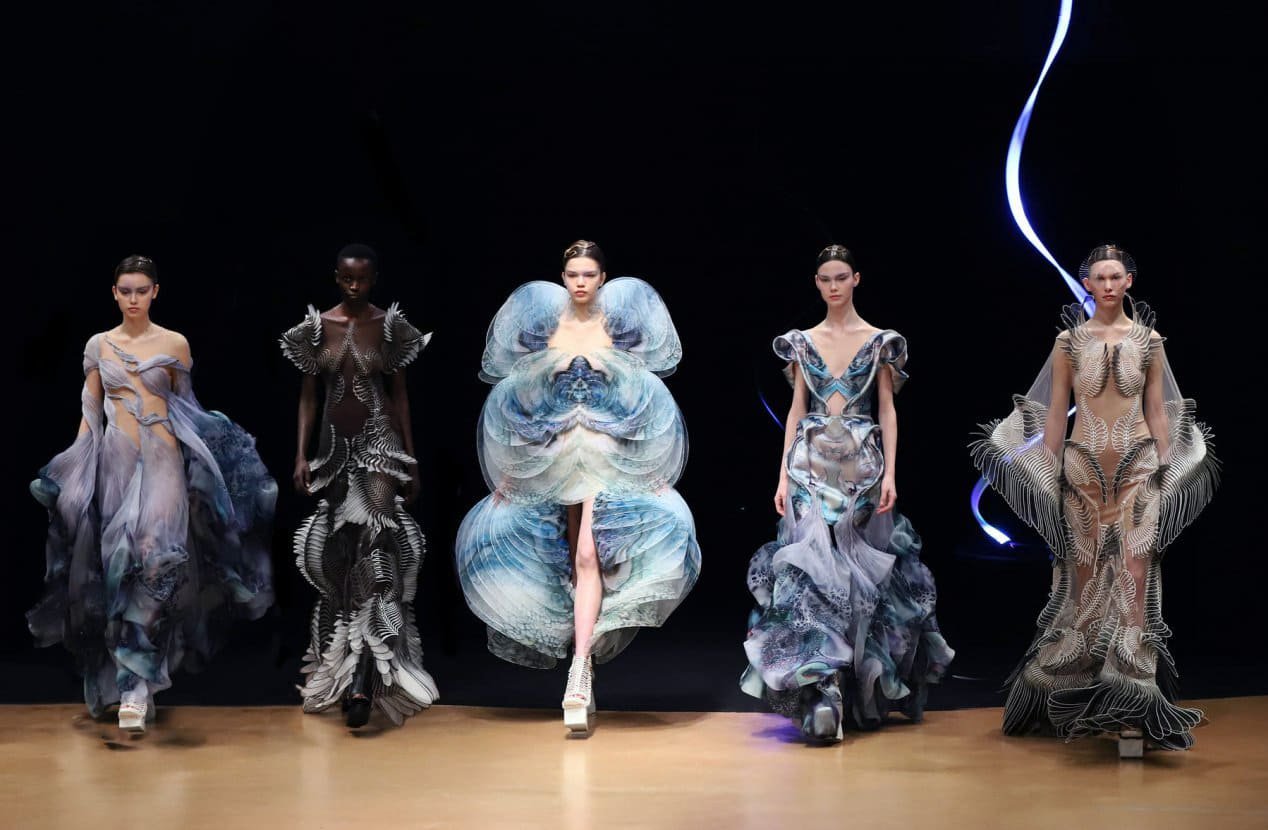
Couture's rebellion lasts because it is always evolving. From Marie Antoinette's silk gowns to Black Dandyism's vibrant styles, from Dior's feminist statements to Rahul Mishra's handcrafted stories, couture continues to be more than just clothing. It reminds us that fashion is never just fabric.
It is history. It is a conversation. It is a protest. It is the boldness to believe that elegance can also be disruptive.
In the end, couture’s rebellion lies in its refusal to conform to the mass market, the ordinary, and the expected. It embraces storytelling, individuality, and boldness. Perhaps that is why, centuries later, couture still matters, because rebellion never goes out of style.
And perhaps, that is the ultimate lesson: for fashion, for brands, for all of us. The key is not about following trends. It is about making statements. It is about daring to be different in a world that constantly pressures us to blend in.